SETI Postdoctoral Fellow · Carnegie Observatories
Ava
Morrissey
I study how planets lose their atmospheres to space — probing hydrogen escape in transiting exoplanets with UV spectroscopy from Hubble and the ground. When I'm not watching worlds breathe their last, I'm chasing open skies from Australia to the Atlantic.
About
Watching worlds lose
their atmosphere
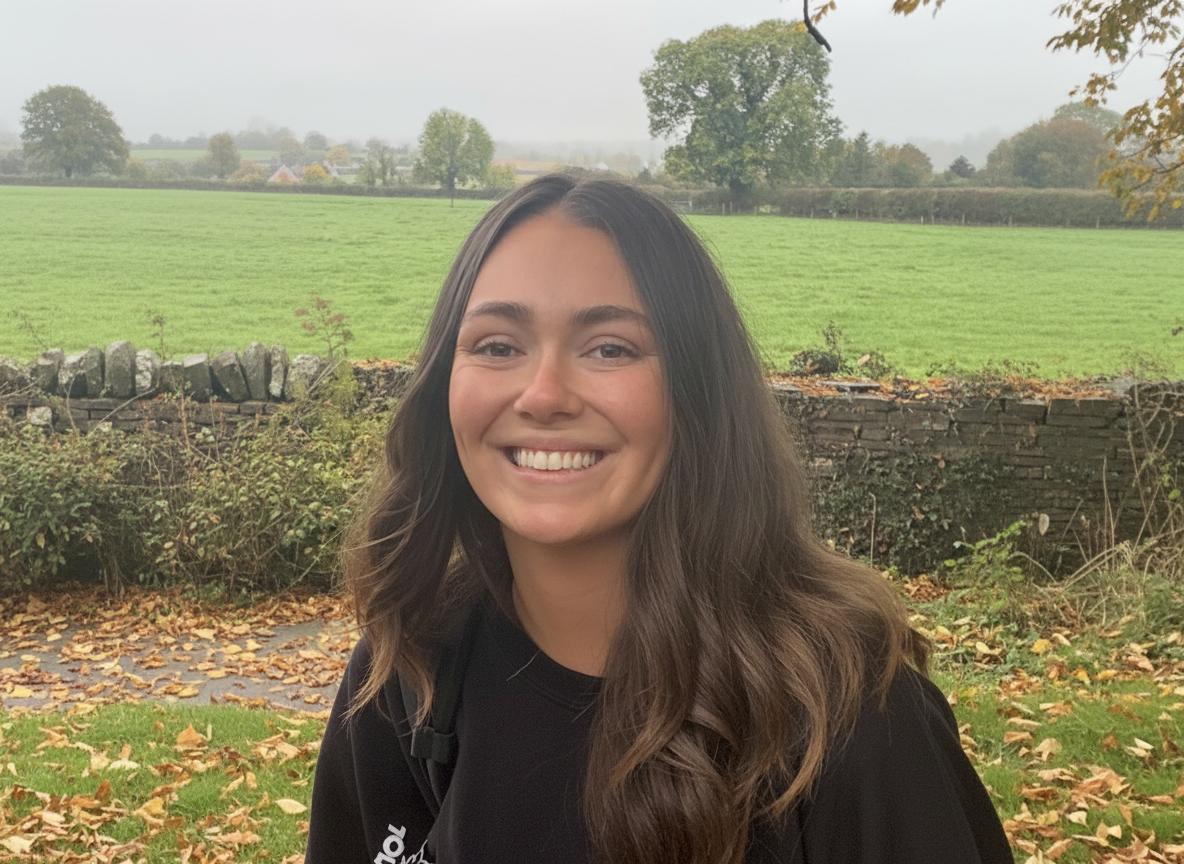
I'm a SETI Postdoctoral Fellow at Carnegie Observatories in Pasadena, California. My research focuses on the SEAL (Survey of Escape and Atmospheric Loss) program — a systematic campaign to detect and characterize atmospheric escape in transiting exoplanets using ultraviolet spectroscopy.
Using the Hubble Space Telescope and ground-based observatories, I observe hydrogen Lyman-alpha and helium 10830 Å absorption to trace the extended atmospheres of hot Jupiters and super-Earths. Understanding how planets lose mass helps us decode the demographic landscape of the exoplanet population.
01 / SEAL Program
Hydrogen escape in transiting planets
The SEAL program is a systematic Hubble survey targeting atmospheric hydrogen escape via Lyman-alpha transit spectroscopy. We're building a statistical sample to understand which planets are losing their atmospheres and why.
02 / Observations
UV spectroscopy from space & ground
Working with HST/STIS in the far-UV and ground-based helium observations at 10830 Å, I piece together a multi-wavelength picture of exoplanetary upper atmospheres and the stellar radiation driving their escape.
03 / Techniques
Ground-based atmospheric detection
Pushing the limits of ground-based detection, I use high-resolution near-infrared spectroscopy to observe helium in planetary atmospheres — opening a new window on escape that complements space-based UV observations.
Adventures
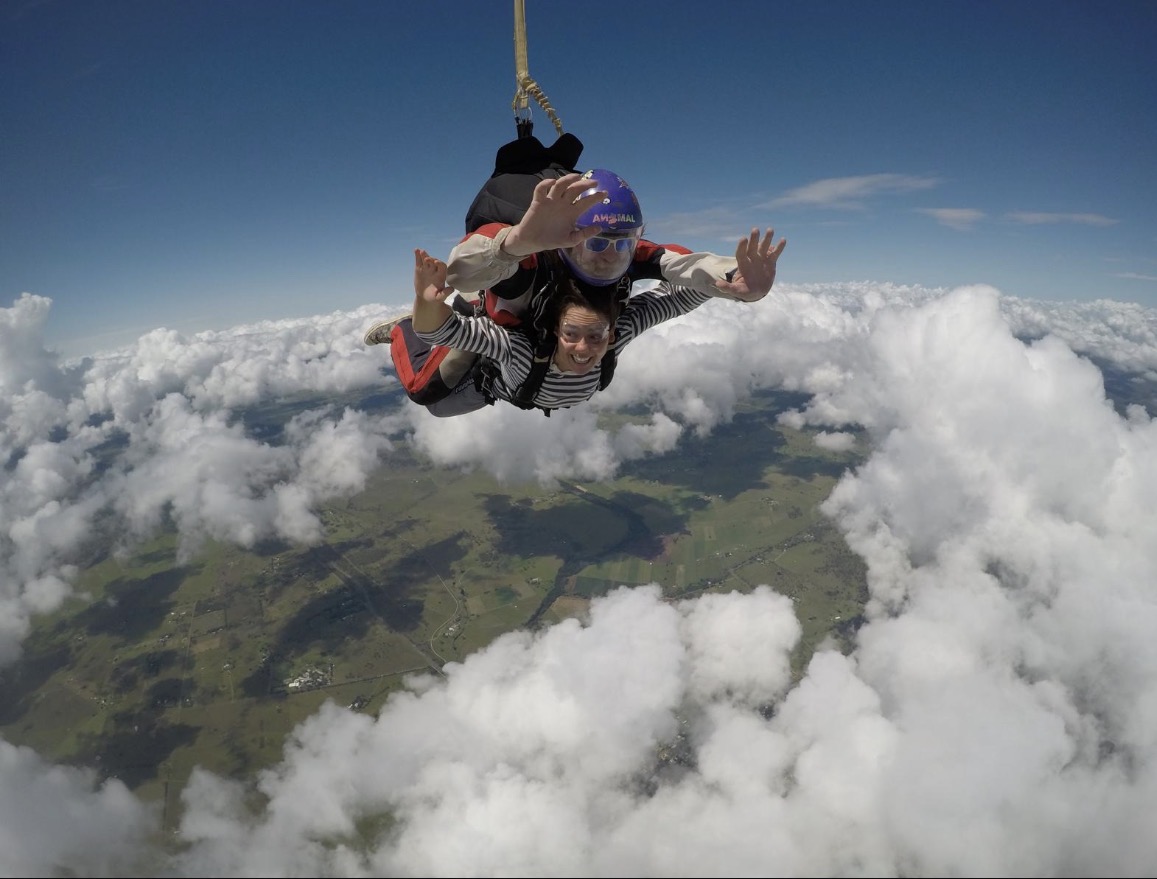
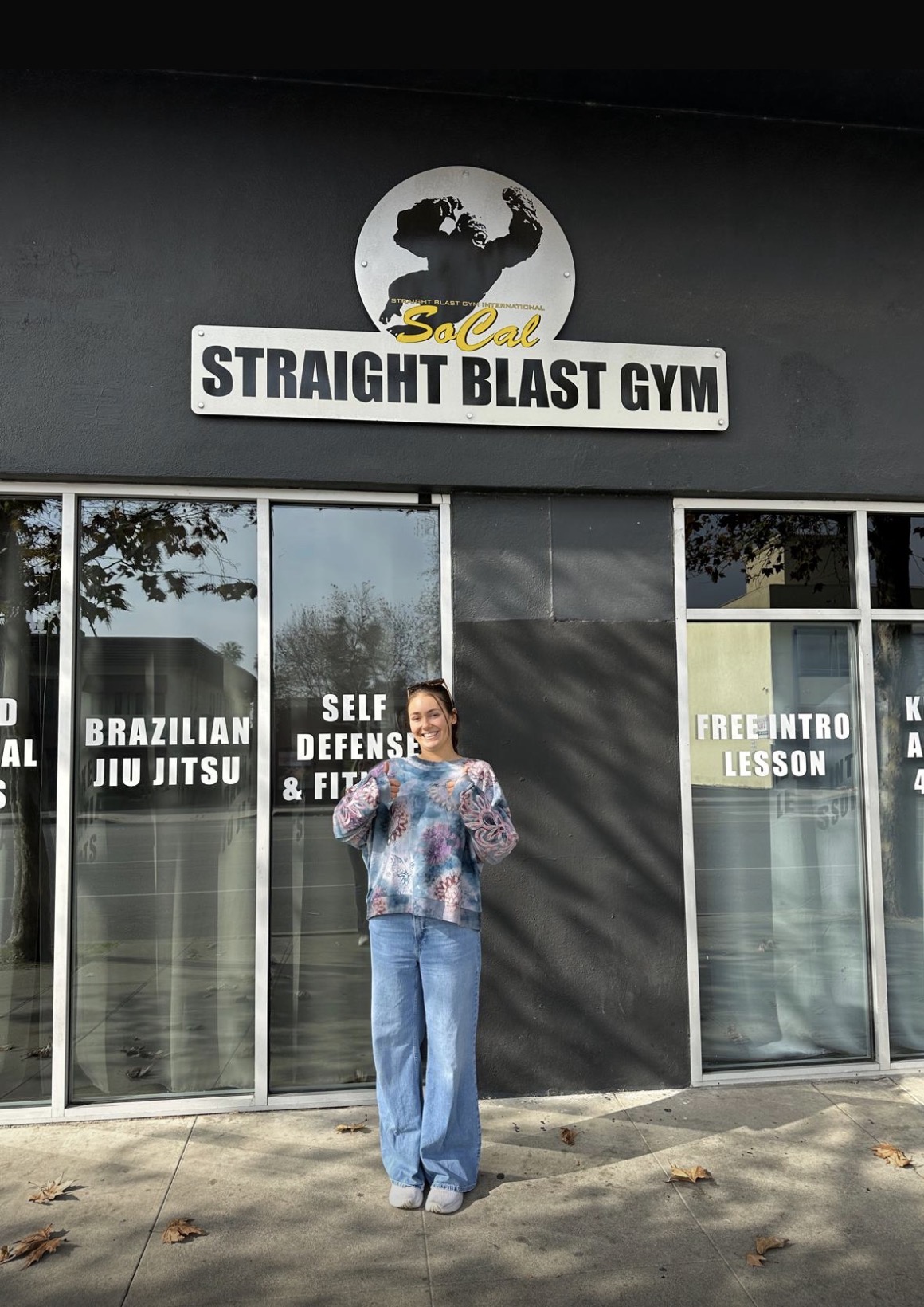
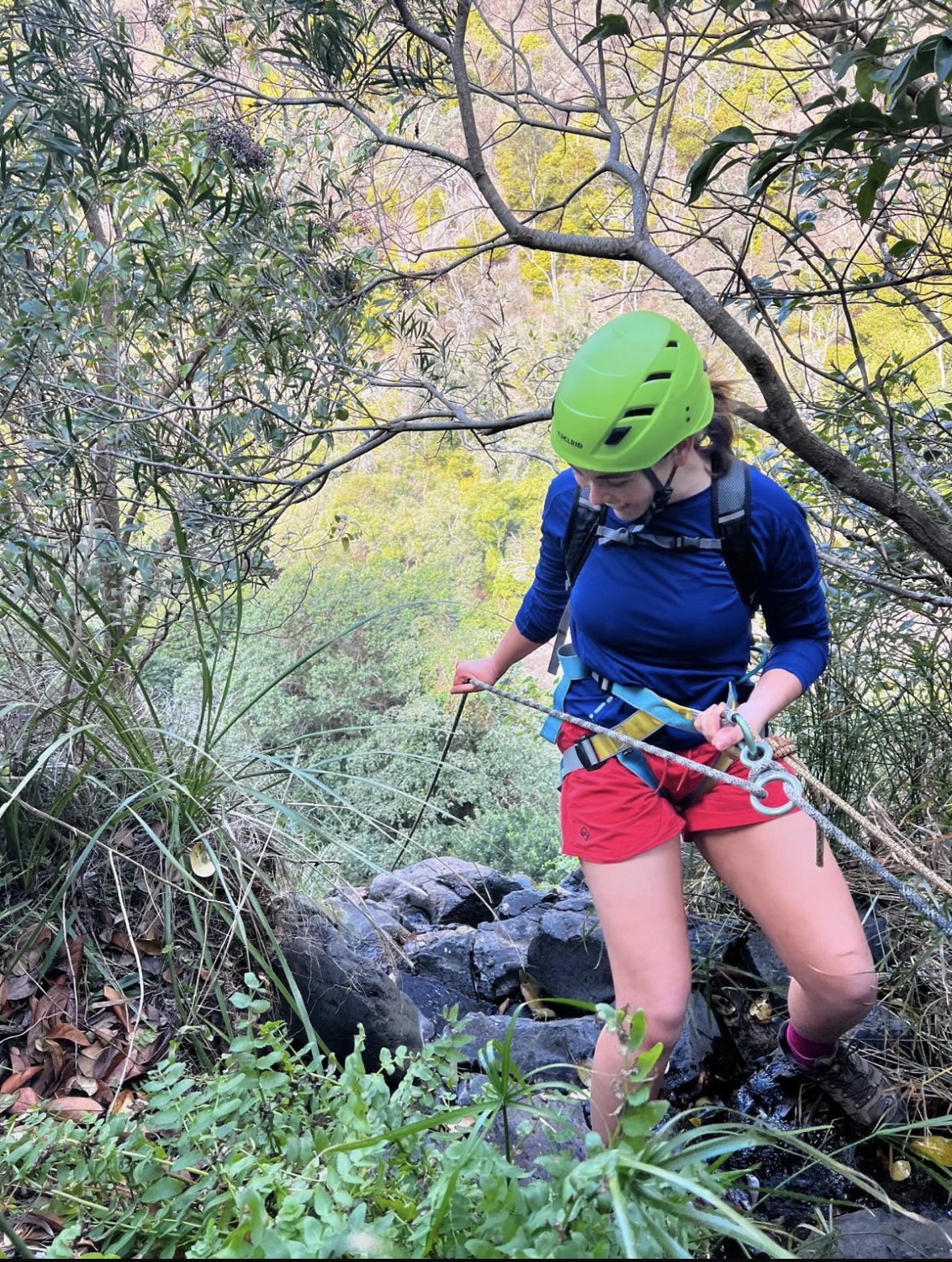
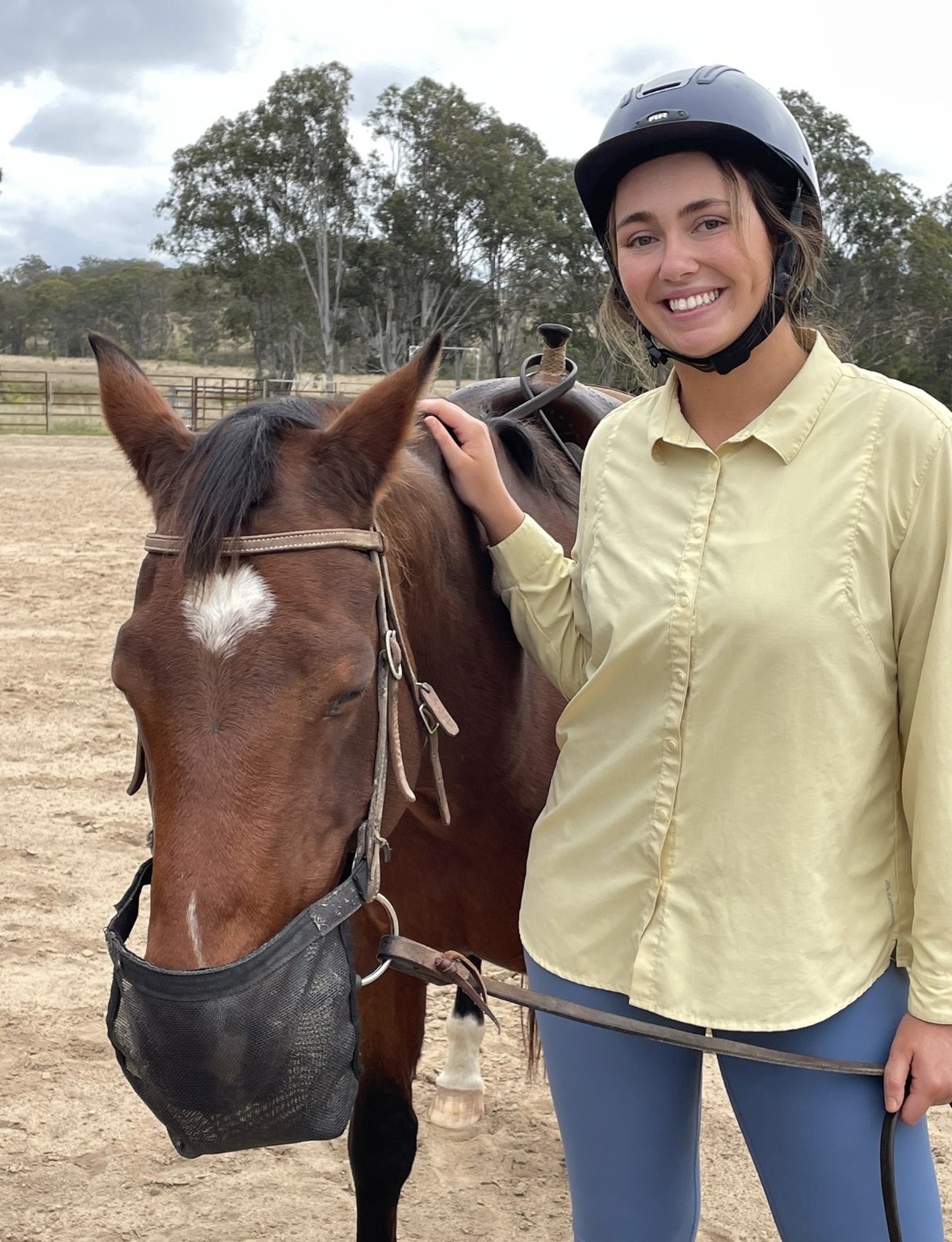
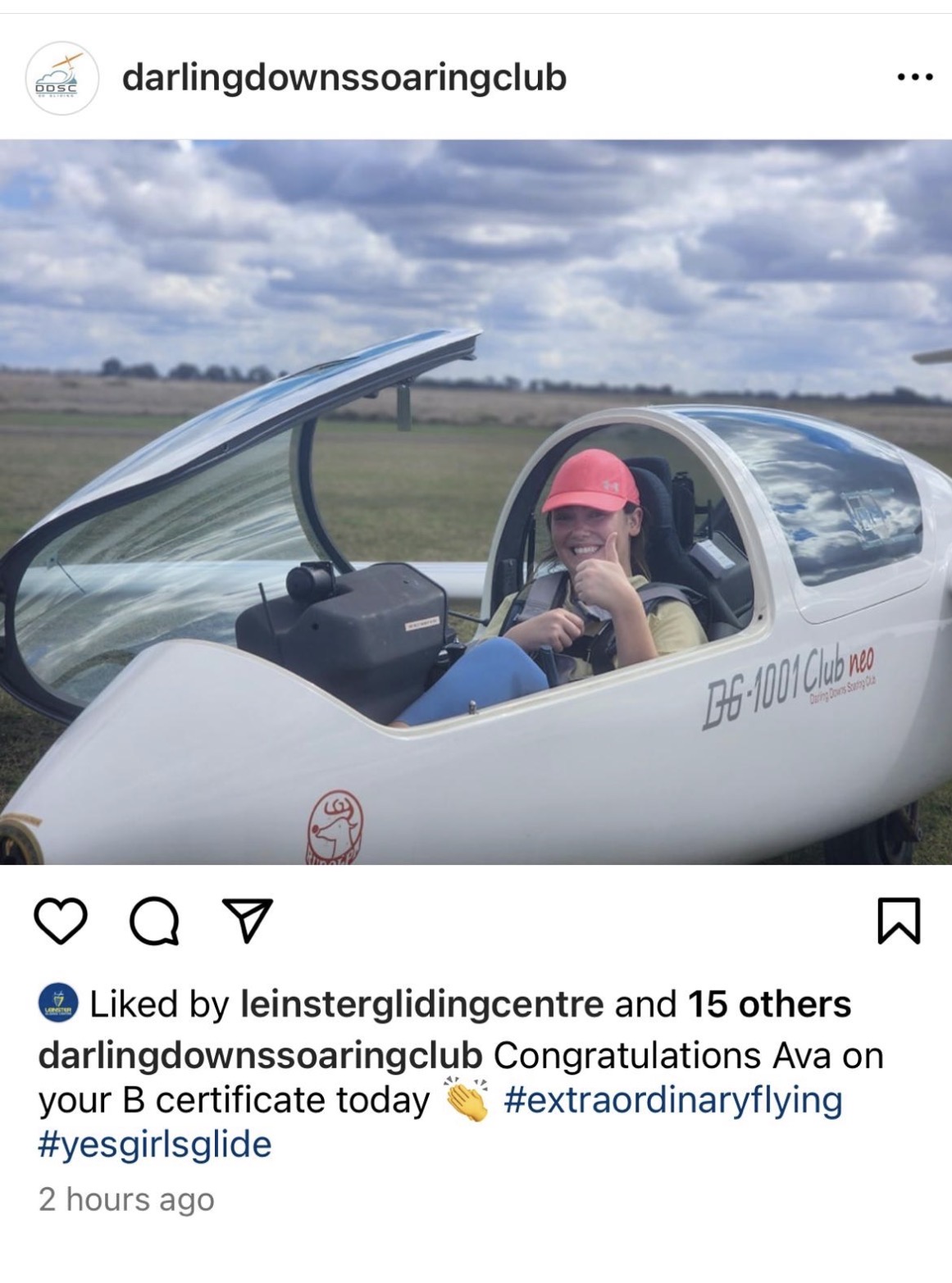
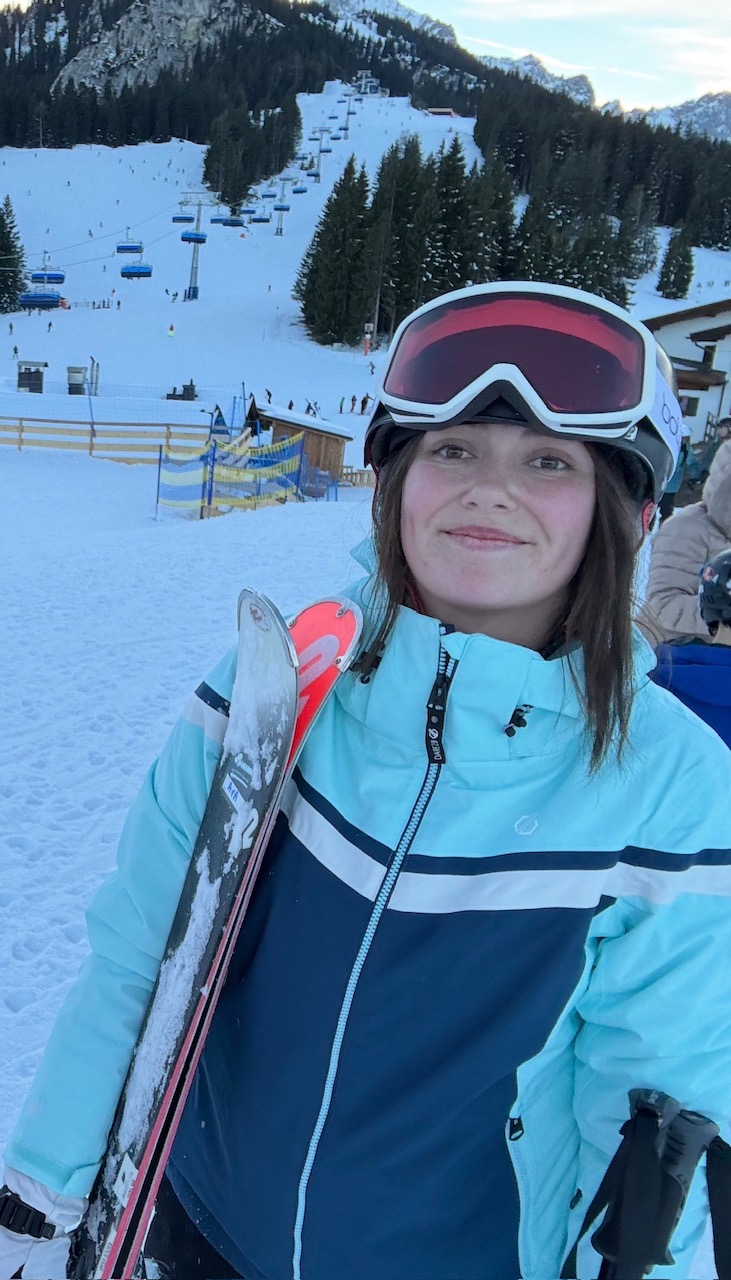
Hobbies Jujitsu, Gliding, Hiking, Sky Diving, Abseiling, Skiing, Music Festivals, Travel
Hobbies
Hobbies
Hobbies
Hobbies
Hobbies
Hobbies
Contact